
Discover the Natural Beauty of Weherakadagala
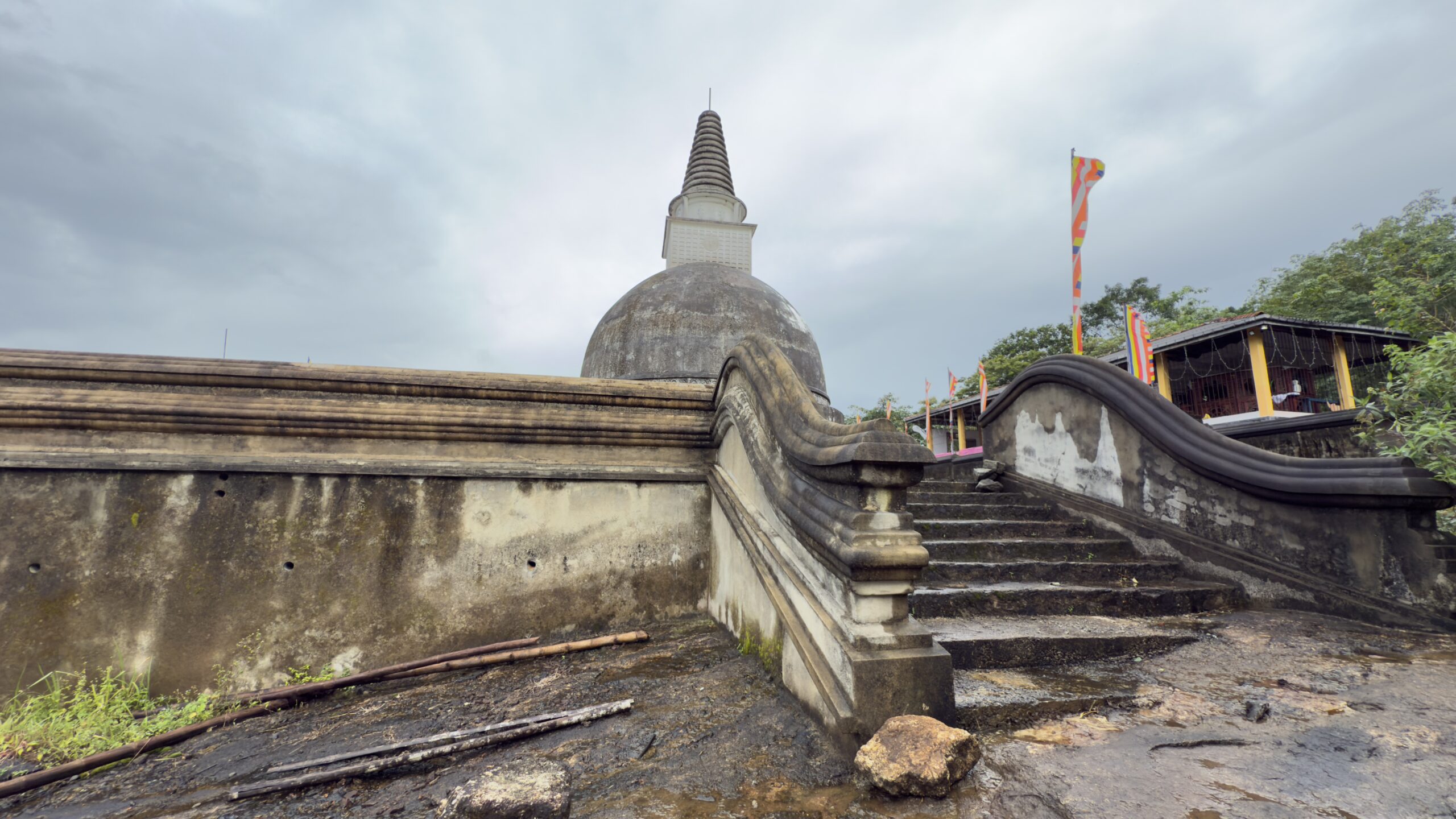
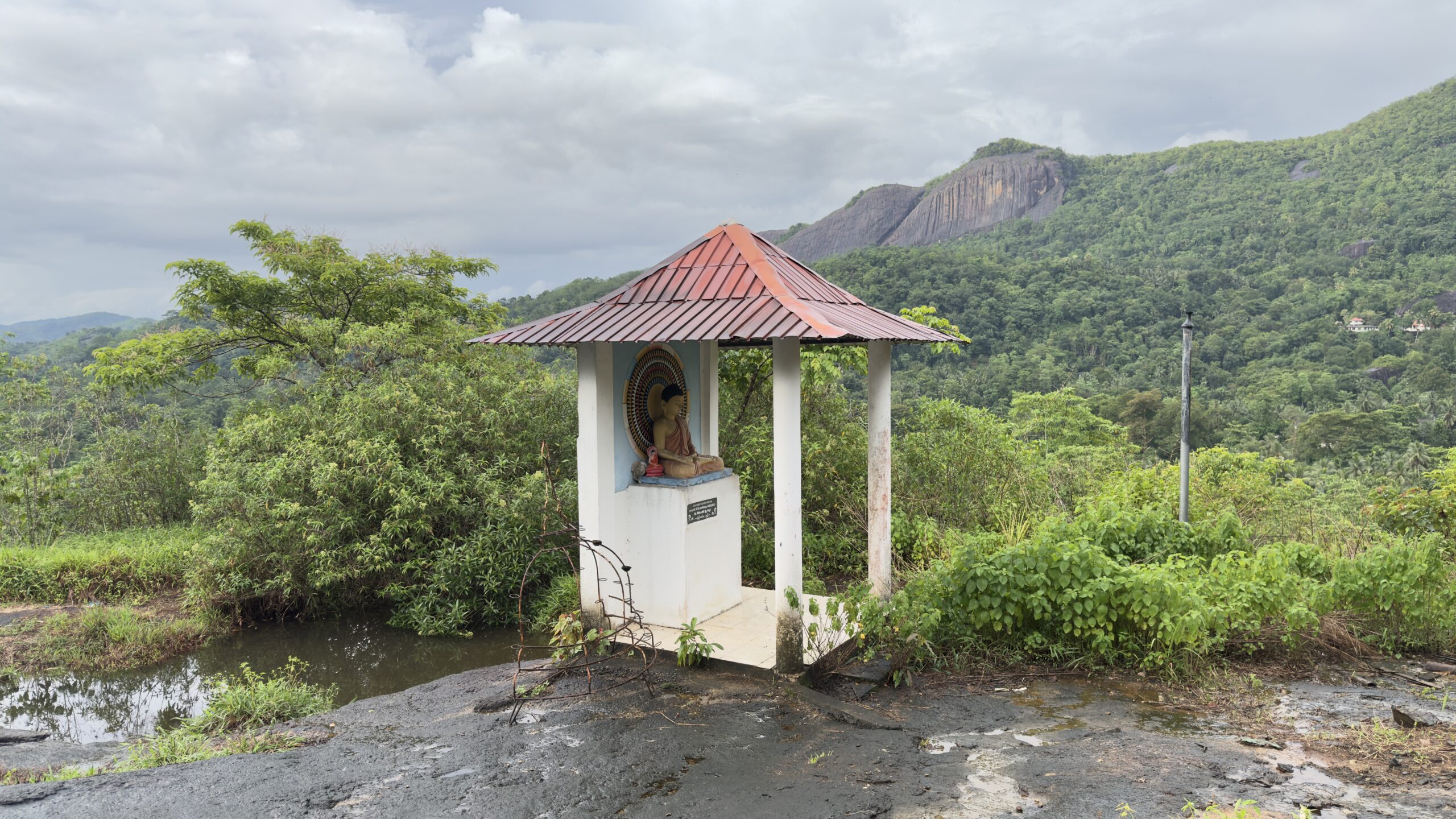
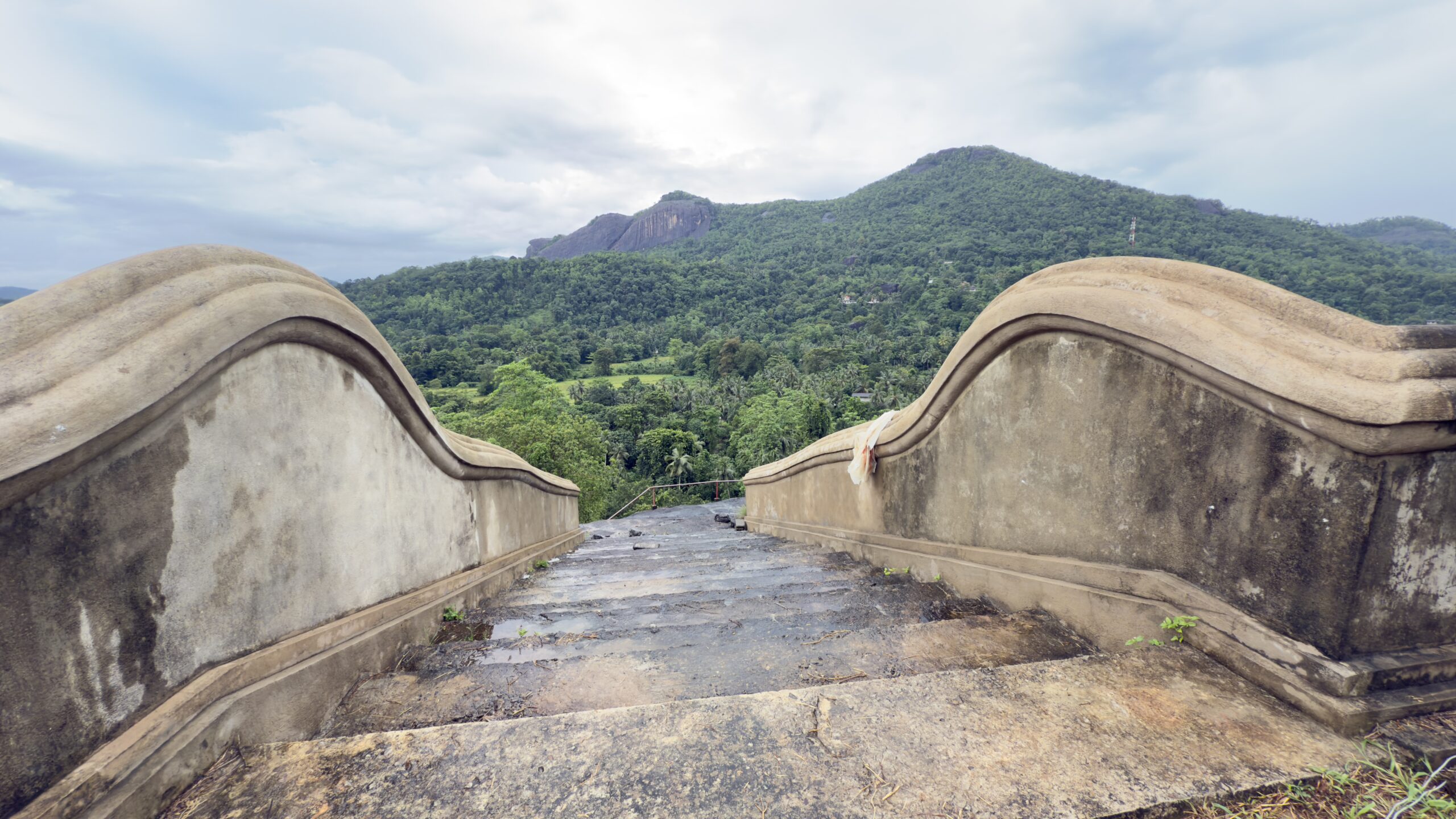
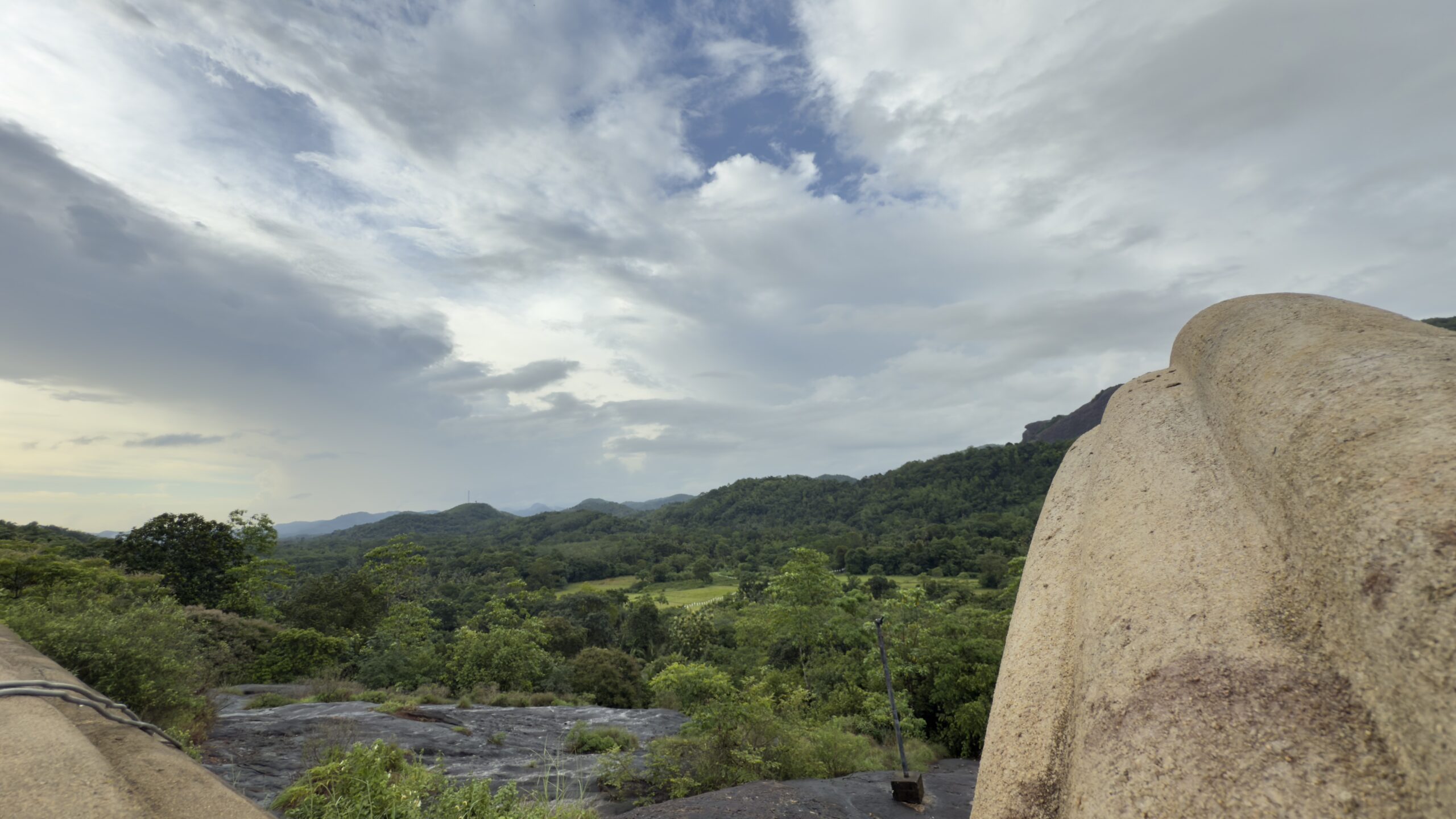
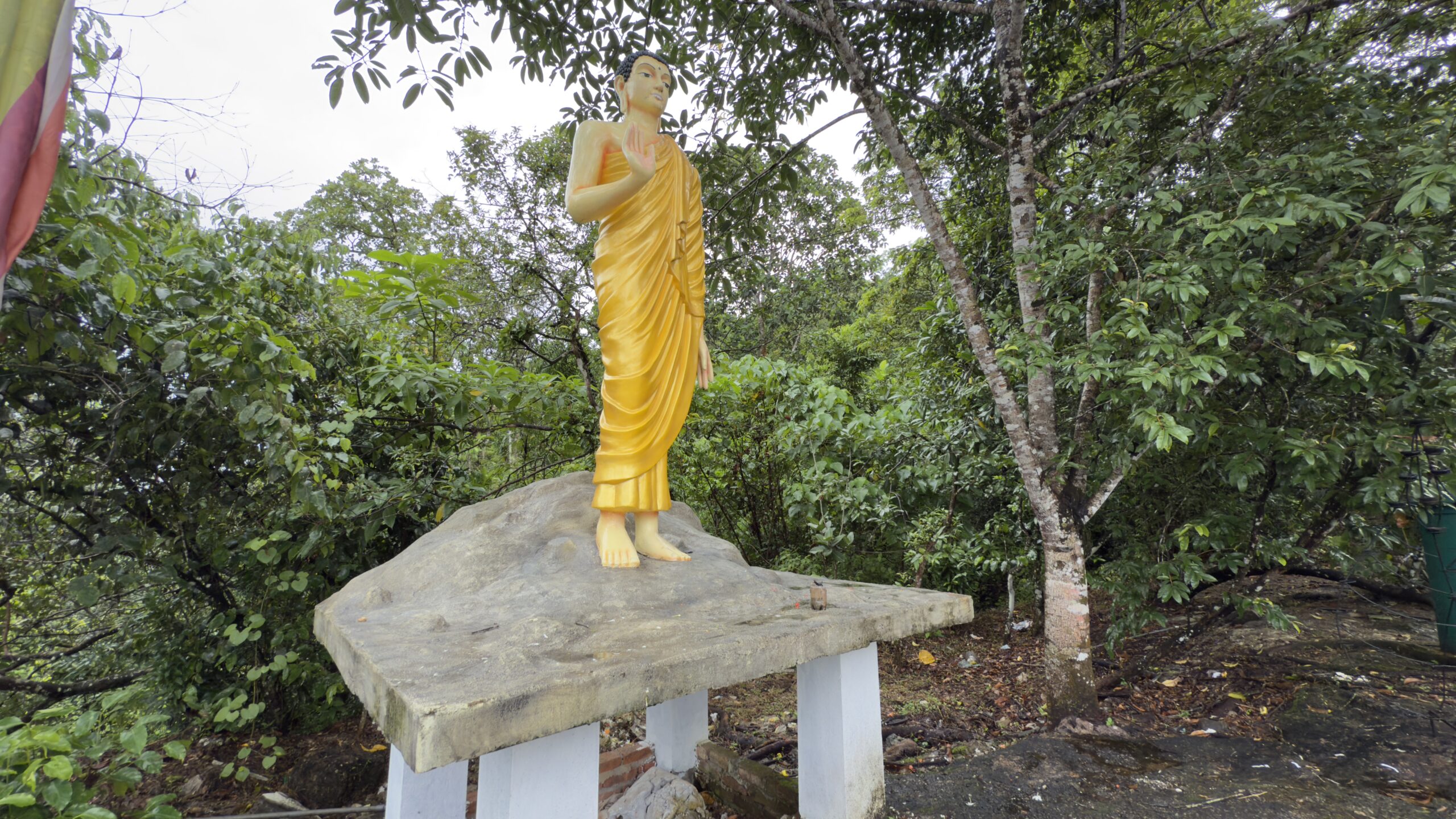
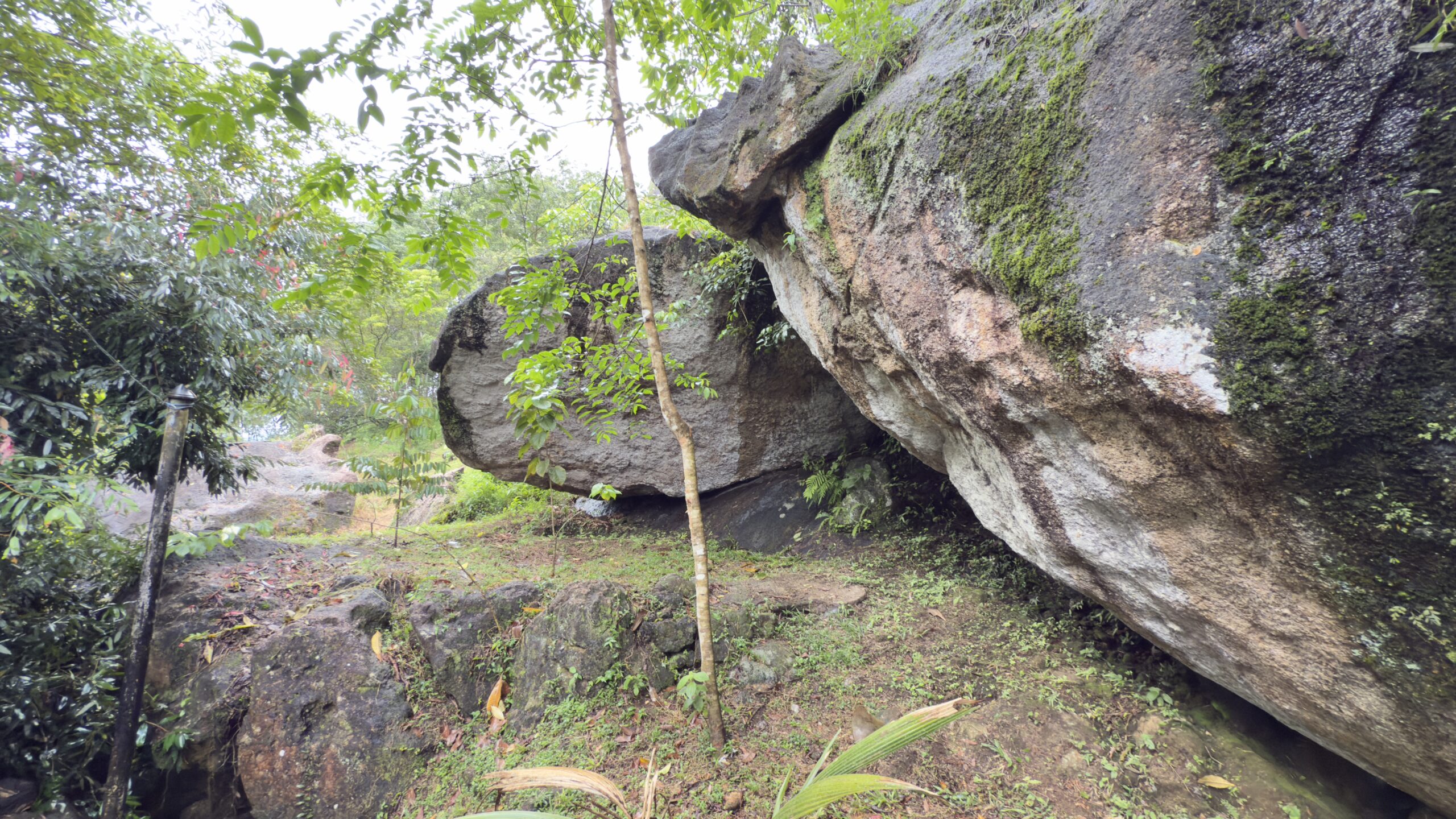
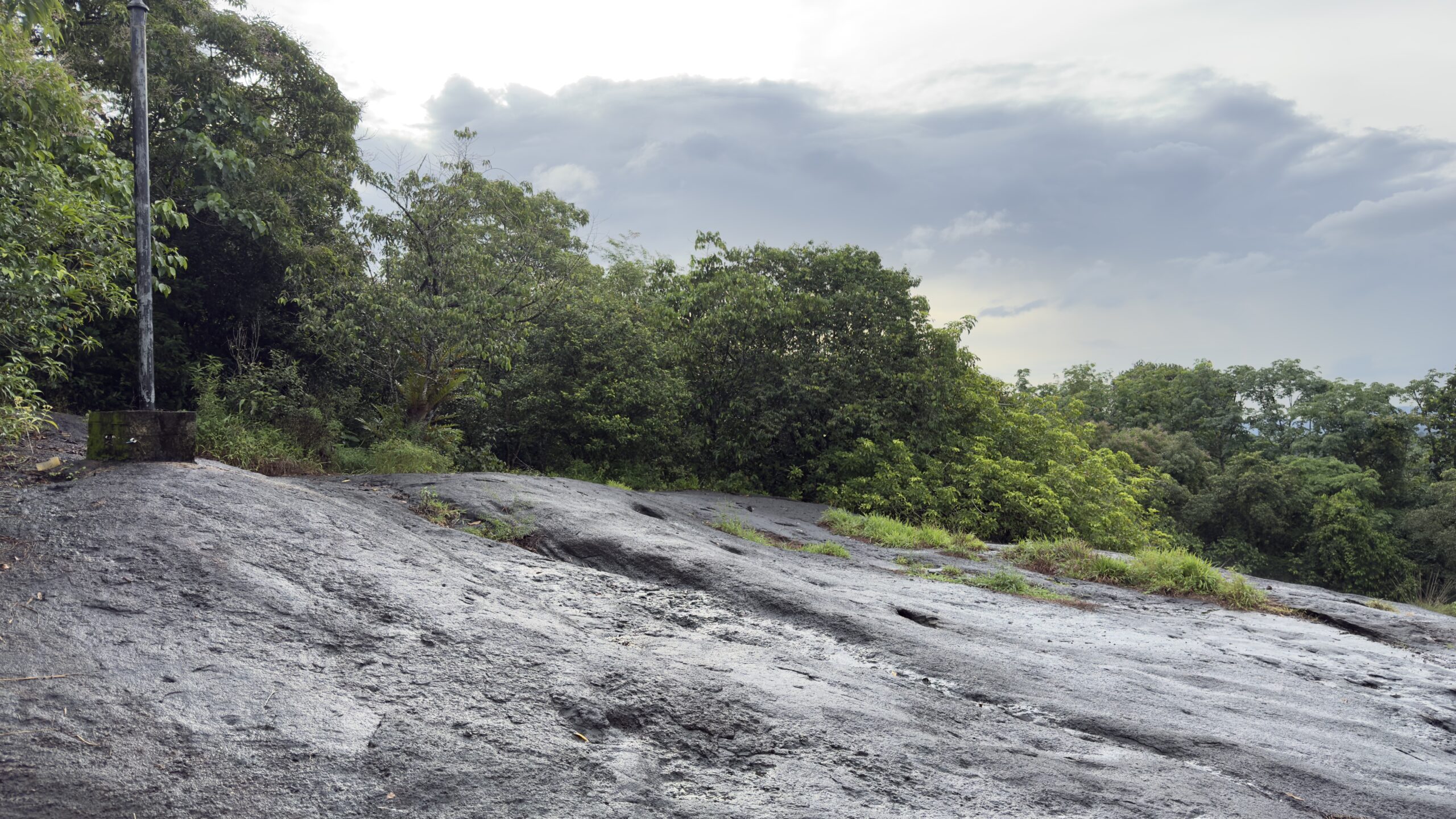
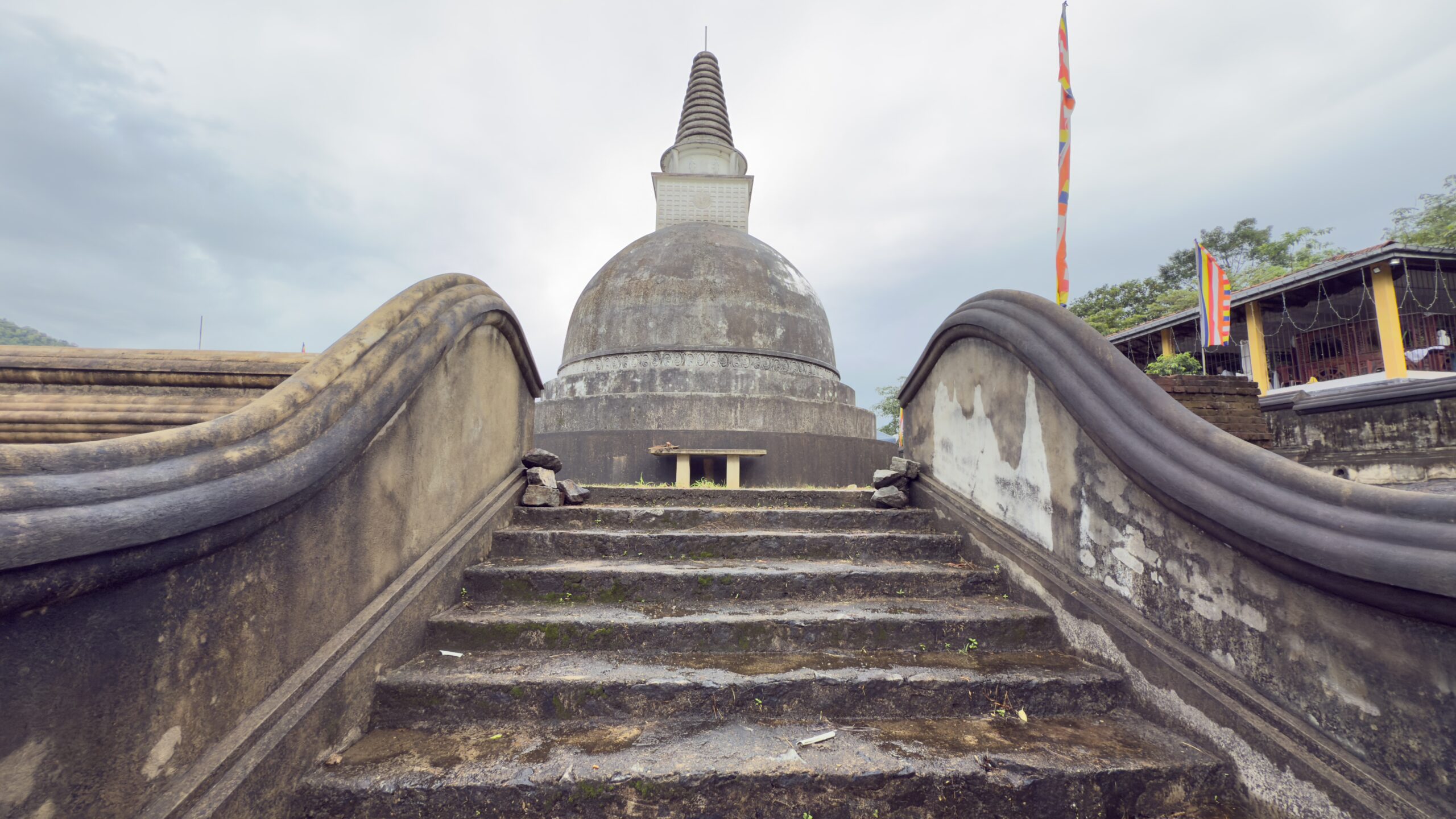
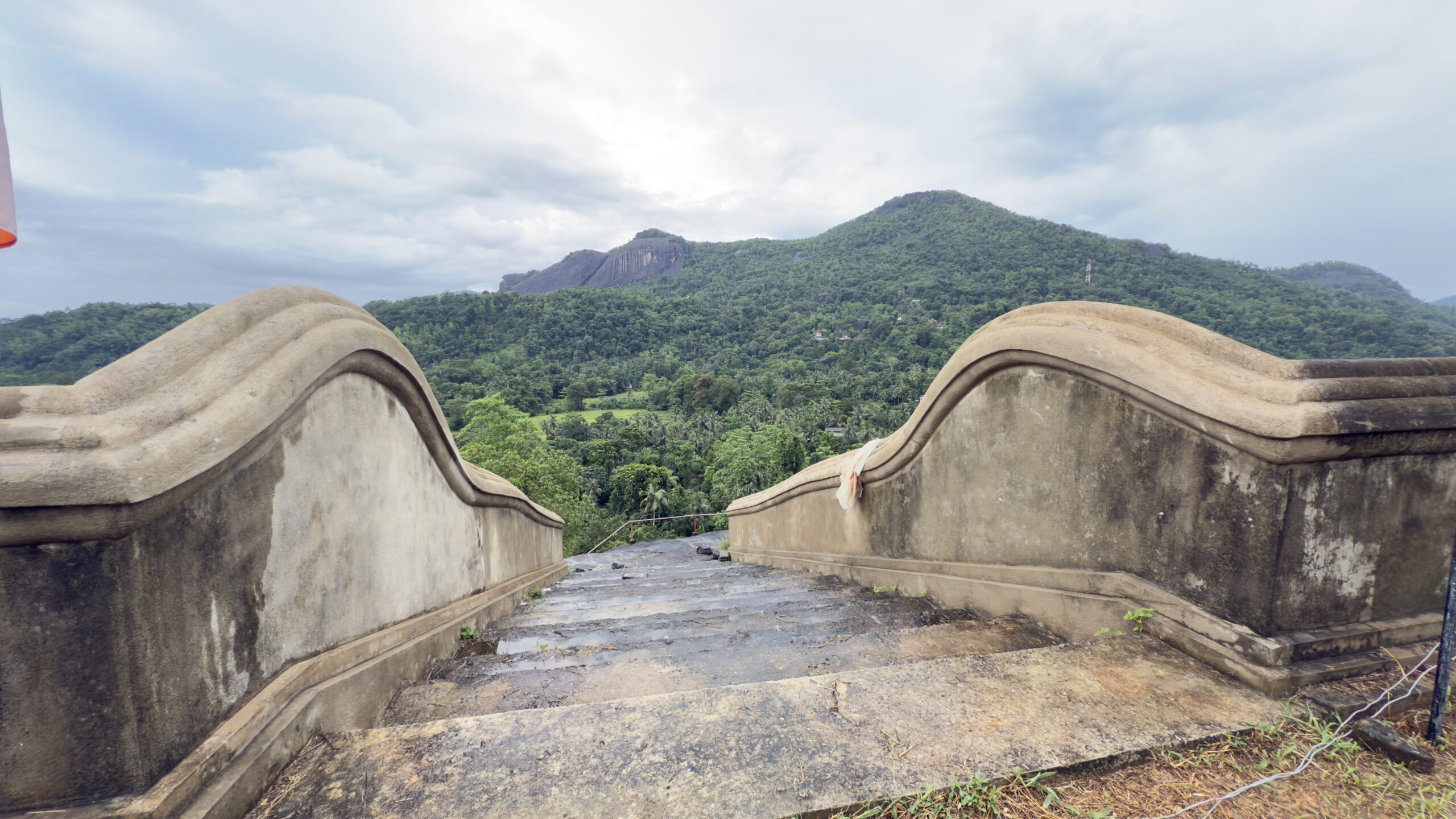
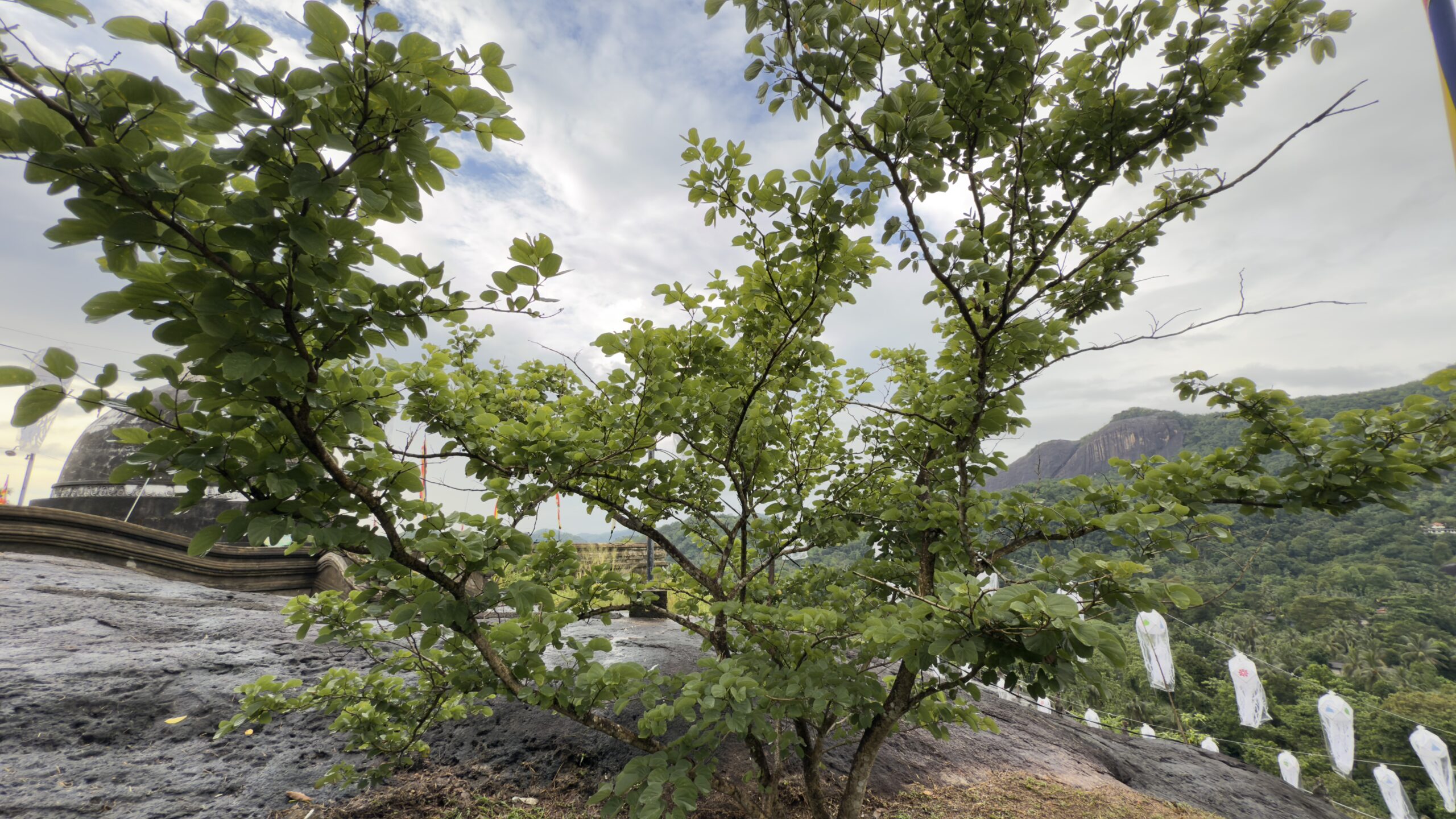
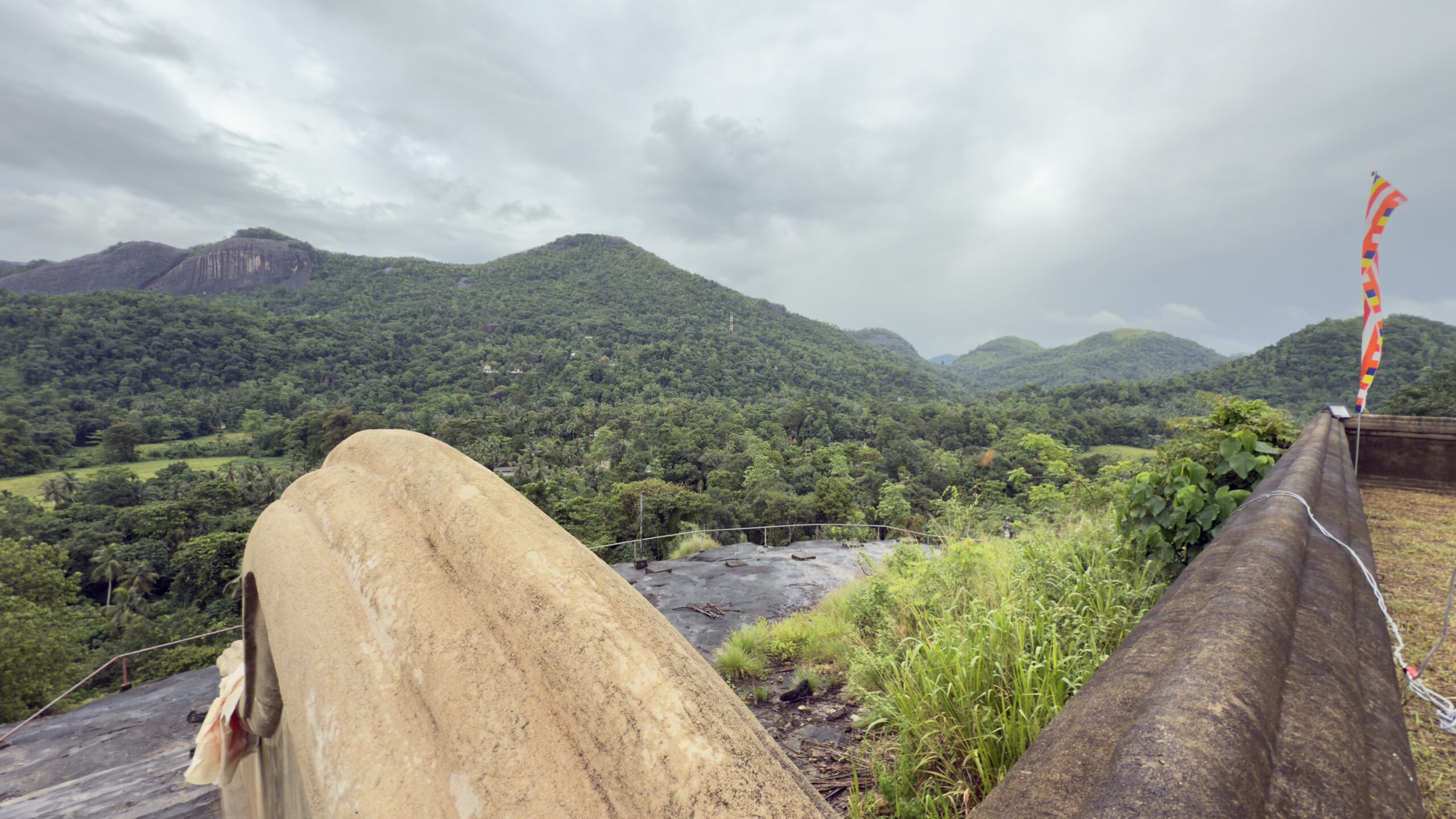
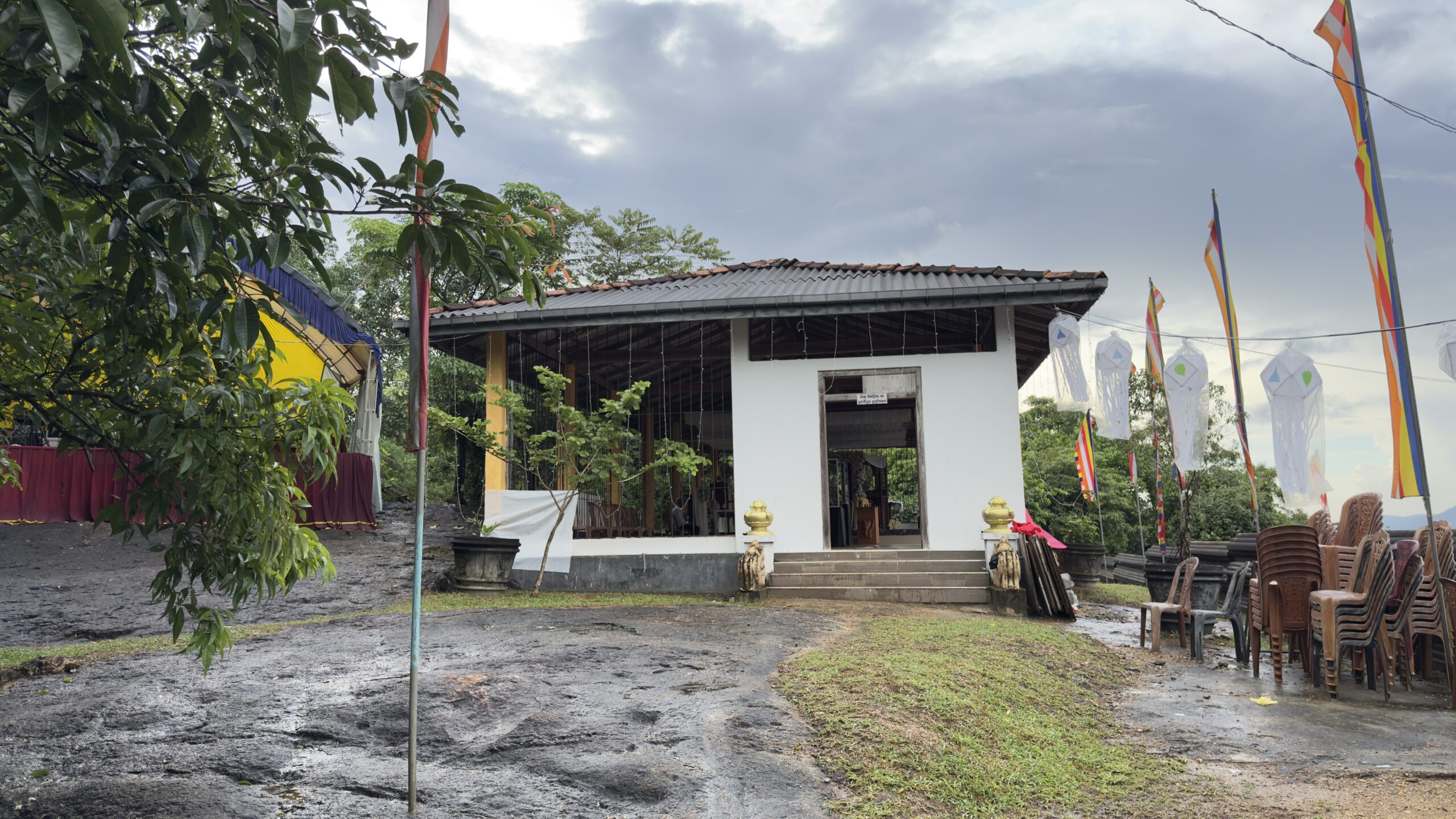
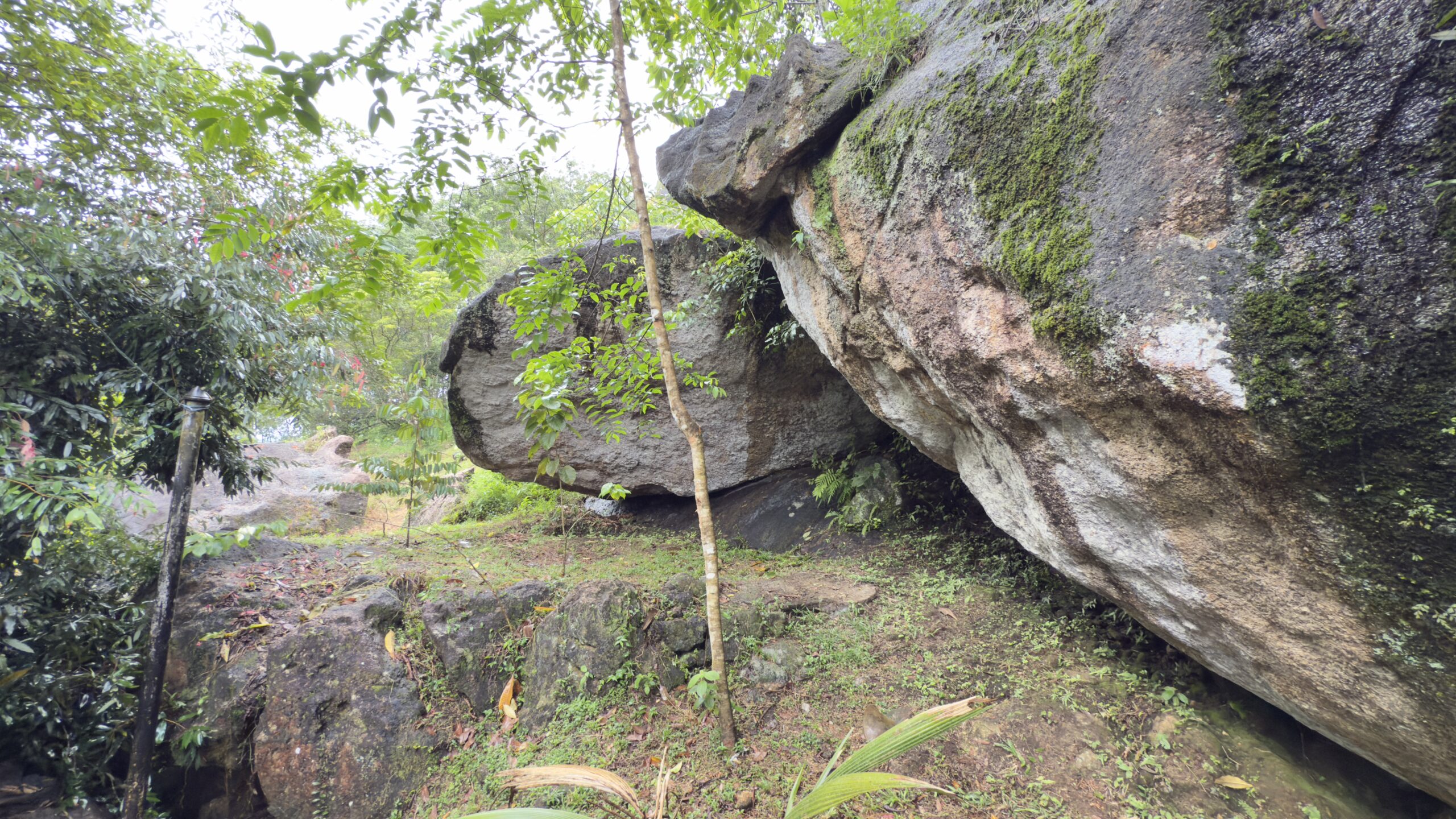
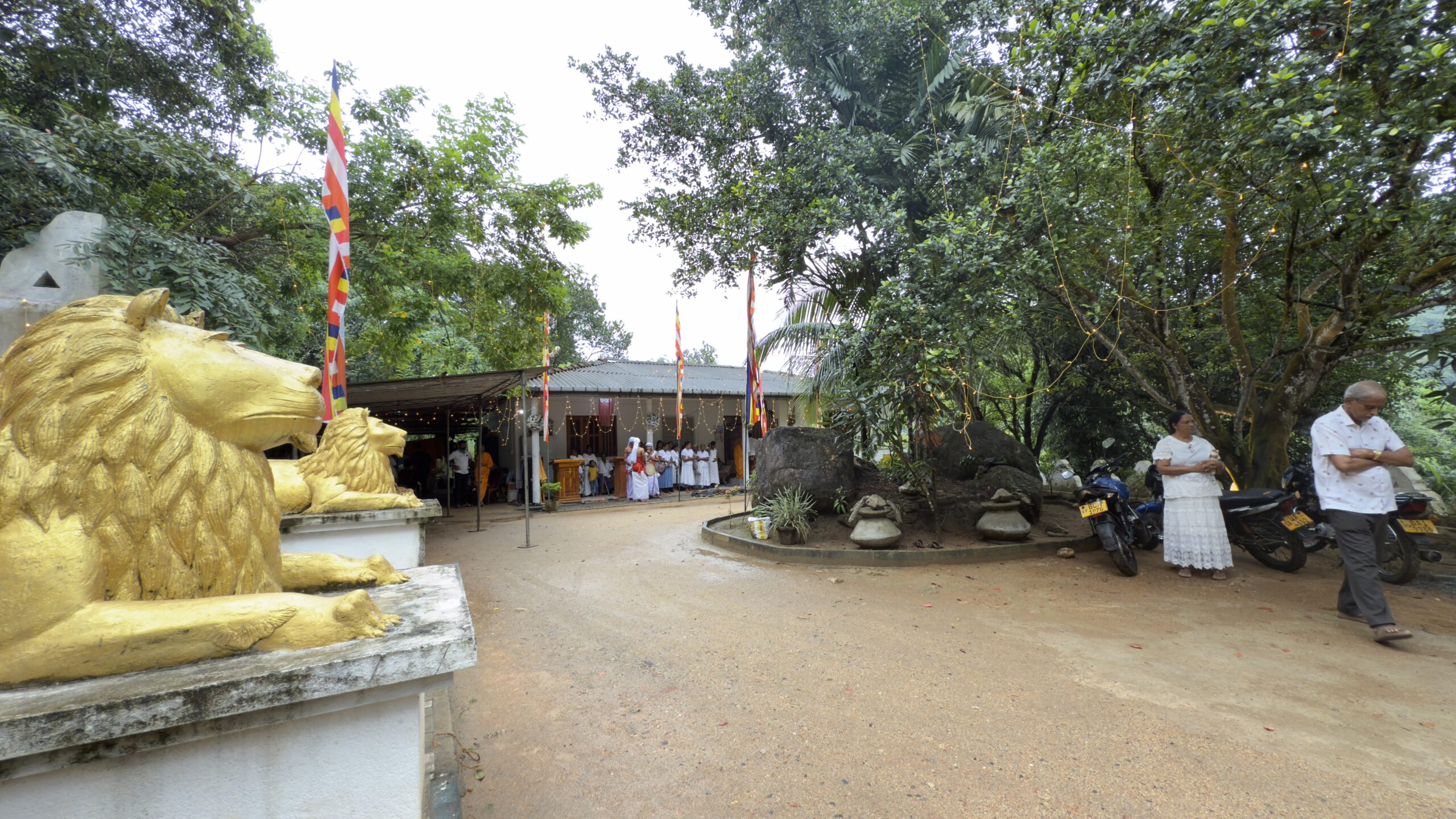
Weherakandagala, located within the Sitawaka Kingdom, is one of the most significant observation points in the region. It is also regarded as an important international Buddhist heritage and pilgrimage site. During the reign of King Mayadunne and King Rajasinghe of Sitawaka, this location is believed to have served as a strategic military outpost used for defending the kingdom against Portuguese invasions. Due to its elevated geographical position, the site provided a wide and clear view of the surrounding landscape, making it highly suitable for monitoring enemy movements, observing possible attack routes, and maintaining defensive awareness.
The surrounding area of Weherakandagala, particularly the Sandagala region, consists of a vast and remarkable valley system with rich natural beauty. From this elevated terrain, the entire surrounding landscape can be clearly observed, including sunrise, moonlight, and various scenic natural views. Therefore, it is believed that this location may have functioned as an ancient observation point.
Archaeological investigations in this area have discovered numerous quartz stone fragments. These findings suggest that prehistoric humans may have inhabited this region. During that period, early humans are believed to have used stone tools for hunting and daily survival, crafting weapons such as knives, axes, and arrowheads from quartz and other stone materials.
The environment surrounding Weherakandagala appears to have provided all essential requirements for early human survival, including water, food, and security. The region is also home to various species of small wildlife, including deer, porcupines, and monitor lizards, indicating a rich biodiversity that may have supported early human life.
In prehistoric times, humans were among the weakest of all living beings in terms of physical strength and natural defense. They lacked speed, sharp claws, and strong natural weapons, making them vulnerable to predators. As a result, early humans began living in groups, developing basic tools for protection, and using stones and wooden implements for defense and hunting. The discovery and use of fire and tool-making represent key milestones in human development.
Weherakandagala may have been in use even before the Sitawaka Kingdom period, based on archaeological evidence. It is believed to have functioned as a military observation point, a fortress, and a communication hub. Its elevated position made it particularly suitable for monitoring lower regions such as Maniyanagama, which holds historical significance in relation to the royal family of Sitawaka.
Maniyanagama is believed to have been an important area associated with the royal women of the Sitawaka Kingdom. It is also suggested that Weherakandagala played a role in transmitting information and providing early warnings of approaching Portuguese forces to protect the local population.
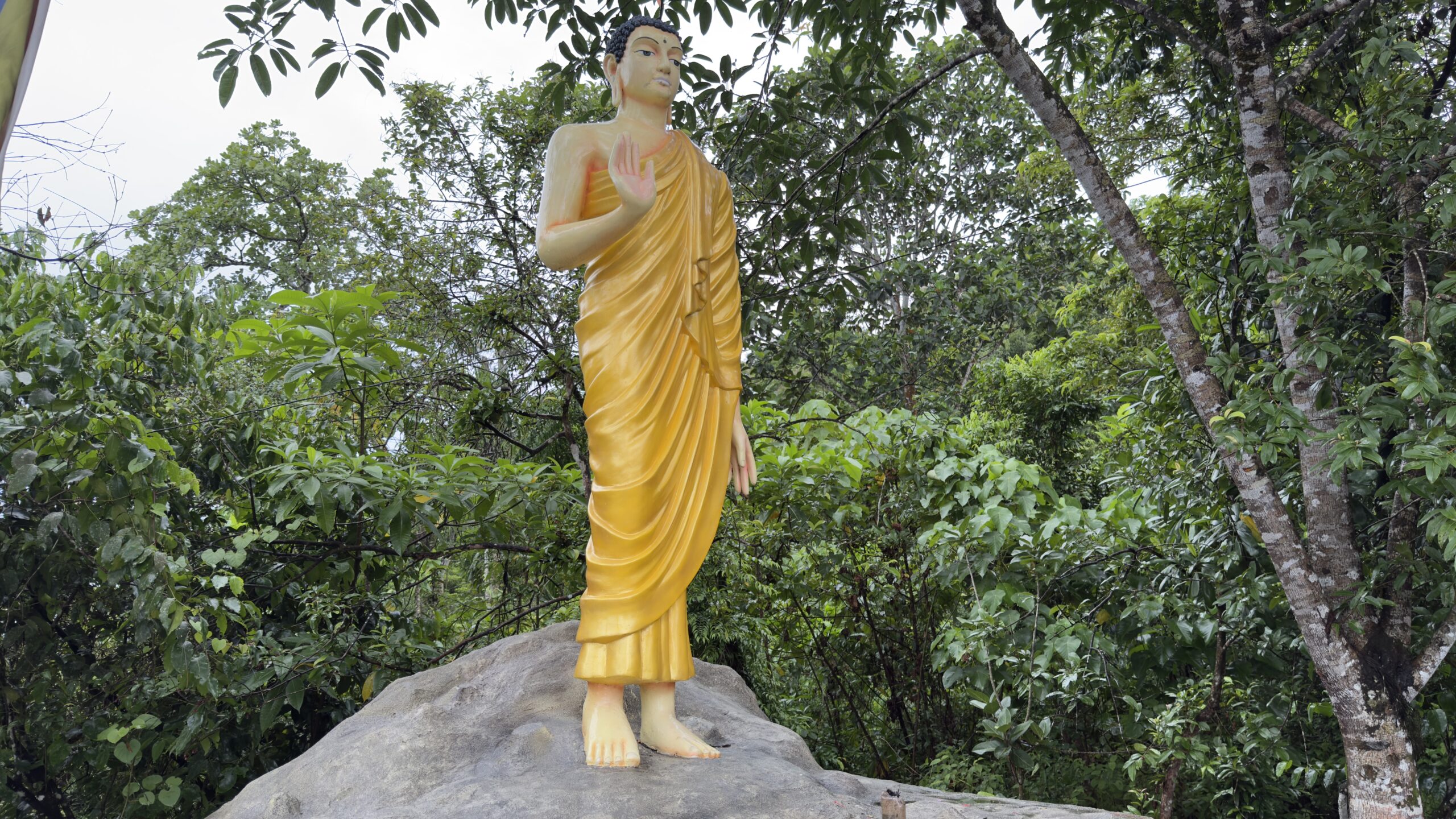
Today, Weherakandagala is recognized as a unique heritage site that integrates history, archaeology, natural science, and religious significance. It remains an important cultural and natural landmark from ancient times to the present, and it is considered a valuable heritage that must be preserved for future generations.